
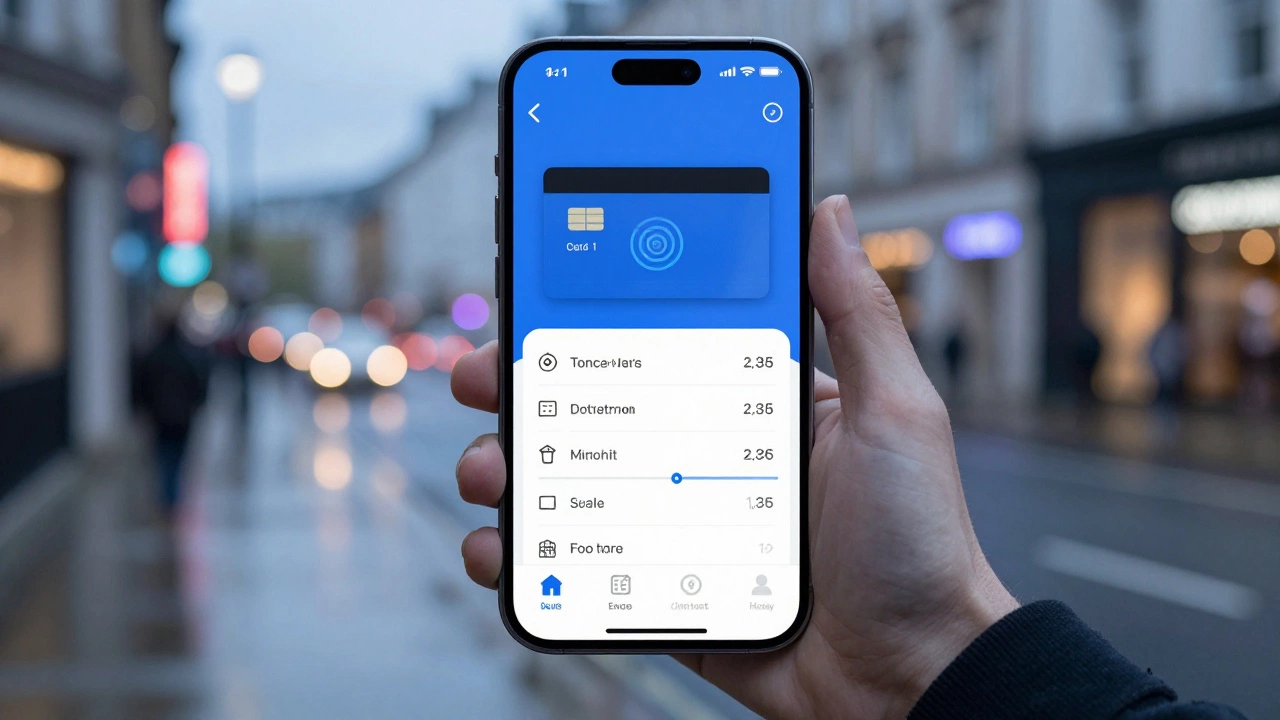
When someone asks, "What are the wallet details?" they’re usually not talking about a leather pocket in your jeans. They’re asking about digital wallets-how they store money, what info they hold, and how they keep it safe. Digital wallets have replaced cash and cards for millions, but most people don’t know what’s actually inside them or how the system works behind the scenes.
For example, if you’ve ever paid for a coffee using your phone, or sent money to a friend with an app, you’ve used a digital wallet. These tools don’t just hold your card numbers-they link to bank accounts, store loyalty points, manage subscriptions, and even hold cryptocurrencies. Some services even let you pay for things like euro girls escort london services through app-based platforms, though that’s a niche use case and not what most wallets are built for.
What Exactly Is Stored in a Digital Wallet?
A digital wallet doesn’t store physical cash. Instead, it holds encrypted data tied to your payment methods. This includes:
- Your credit or debit card numbers (tokenized, not raw)
- Bank account details linked for transfers
- Payment authentication codes like PINs or biometric keys
- Gift card balances and loyalty program IDs
- Transaction history and receipts
- For some wallets: cryptocurrency private keys or wallet addresses
Major platforms like Apple Pay, Google Pay, and Samsung Pay use tokenization. That means your real card number is never sent to the merchant. Instead, a one-time code is generated for each transaction. This reduces fraud risk significantly. In 2024, Visa reported a 72% drop in counterfeit fraud for tokenized payments compared to traditional card swipes.
How Do Wallets Know Who You Are?
Wallets verify identity through layers of security. The first layer is your device lock-PIN, pattern, or fingerprint. The second is the wallet app’s own authentication, often requiring a second factor like a one-time code or facial recognition. Some wallets, especially those tied to banks, require full KYC (Know Your Customer) verification: government ID, proof of address, and sometimes a live video call.
That’s why you can’t just download a wallet and start using it right away. Most services require you to upload documents before you can send more than $500. This isn’t just bureaucracy-it’s fraud prevention. In 2023, the UK’s Financial Conduct Authority fined two fintech firms for letting unverified users access high-value transactions.
Types of Digital Wallets and Their Differences
Not all wallets are the same. Here are the three main types:
- Closed wallets: Used only within one service. Think Amazon Pay or Starbucks app. You can’t use them outside that ecosystem.
- Semi-closed wallets: Work with a group of partnered merchants. Think PayPal or Alipay. You can pay at many stores, but not everywhere.
- Open wallets: Fully linked to bank accounts and cards. These let you withdraw cash, transfer money, and pay anywhere that accepts card payments. Examples: Apple Pay, Google Pay, and Revolut.
If you’re trying to pay for groceries, book a flight, or send rent to your landlord, you need an open wallet. Closed wallets are great for convenience but offer little flexibility.
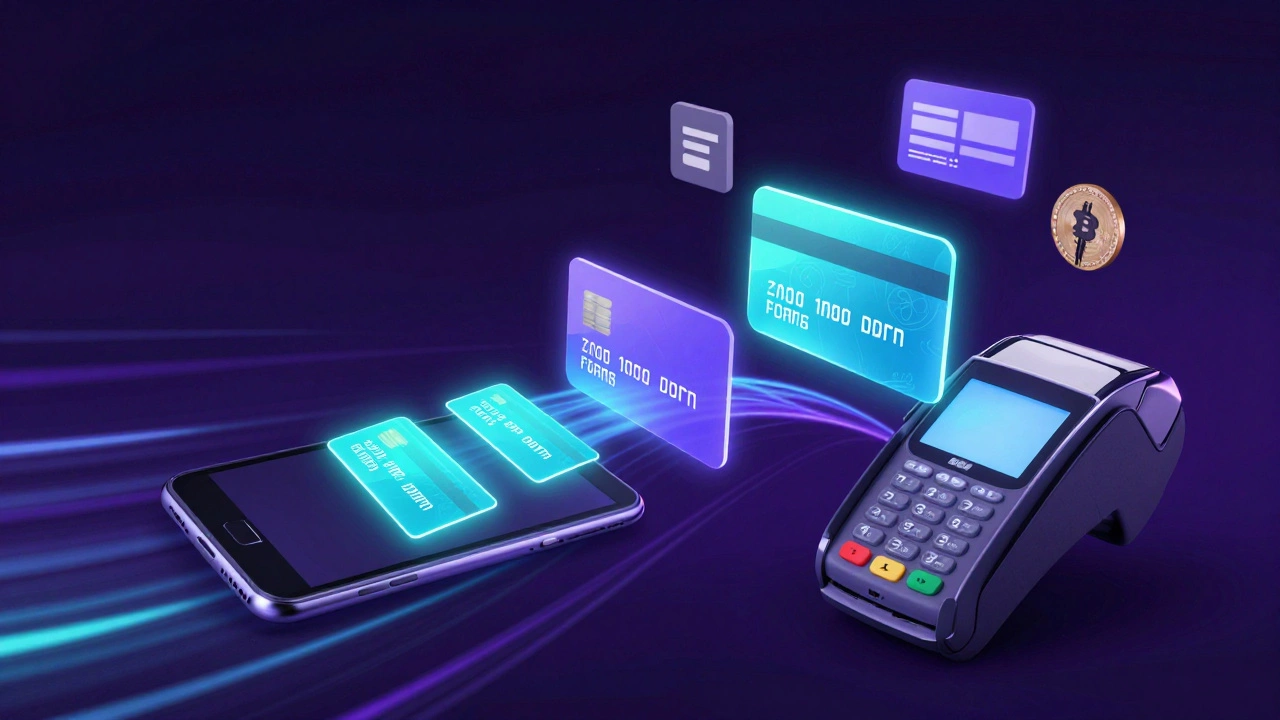
What Happens If You Lose Your Phone?
This is the number one worry people have. The good news: your wallet data is encrypted and usually locked behind your device’s security. Even if someone steals your phone, they can’t access your wallet without your passcode or biometric unlock.
Most services also let you remotely wipe your wallet data through a web portal. Apple’s Find My iPhone and Google’s Find My Device both include options to erase payment info instantly. You don’t need to call your bank-just log in from another device and delete the wallet remotely.
Still, it’s smart to keep a backup. Save your card numbers, bank details, and wallet provider contacts somewhere safe. If you ever get locked out, you’ll need that info to restore access.
Can Wallets Be Hacked?
Yes-but not the way most people think. Wallets themselves are rarely breached. The real risk comes from phishing scams, fake apps, or compromised devices.
In 2024, a wave of fake Google Pay apps appeared on third-party Android stores. These apps asked users to enter their card details, then stole them. Legitimate wallet apps never ask for your full card number or CVV inside the app.
Always download wallets from official stores: Apple App Store or Google Play. Avoid clicking links in texts or emails that say "Verify your wallet now." Banks and wallet providers don’t send those.
Why Do Some Wallets Ask for Your Address or Phone Number?
It’s not just for marketing. Wallets need this data to comply with financial regulations. If you’re sending money internationally, or making large payments, the system must verify your identity under anti-money laundering (AML) rules.
Also, your address helps determine which payment networks are available. A wallet in London might support different options than one in Manchester due to regional banking partnerships. Your phone number is used for two-factor authentication and fraud alerts.
Don’t be surprised if a wallet asks for your full name, date of birth, and home address. It’s standard practice, not overreach.
How Do You Know If a Wallet Is Safe?
Look for these signs:
- It’s made by a major tech company or bank (Apple, Google, Chase, Revolut)
- It uses end-to-end encryption
- It offers biometric login
- It’s listed on official app stores
- It has clear privacy policies and customer support
Avoid wallets that promise "zero fees" with no clear provider name. If you can’t find a company behind the app, don’t trust it. There’s no such thing as a free lunch in finance.
What About Cryptocurrency Wallets?
Crypto wallets are different. They don’t store coins-they store private keys. If you lose that key, your money is gone forever. No customer service can recover it.
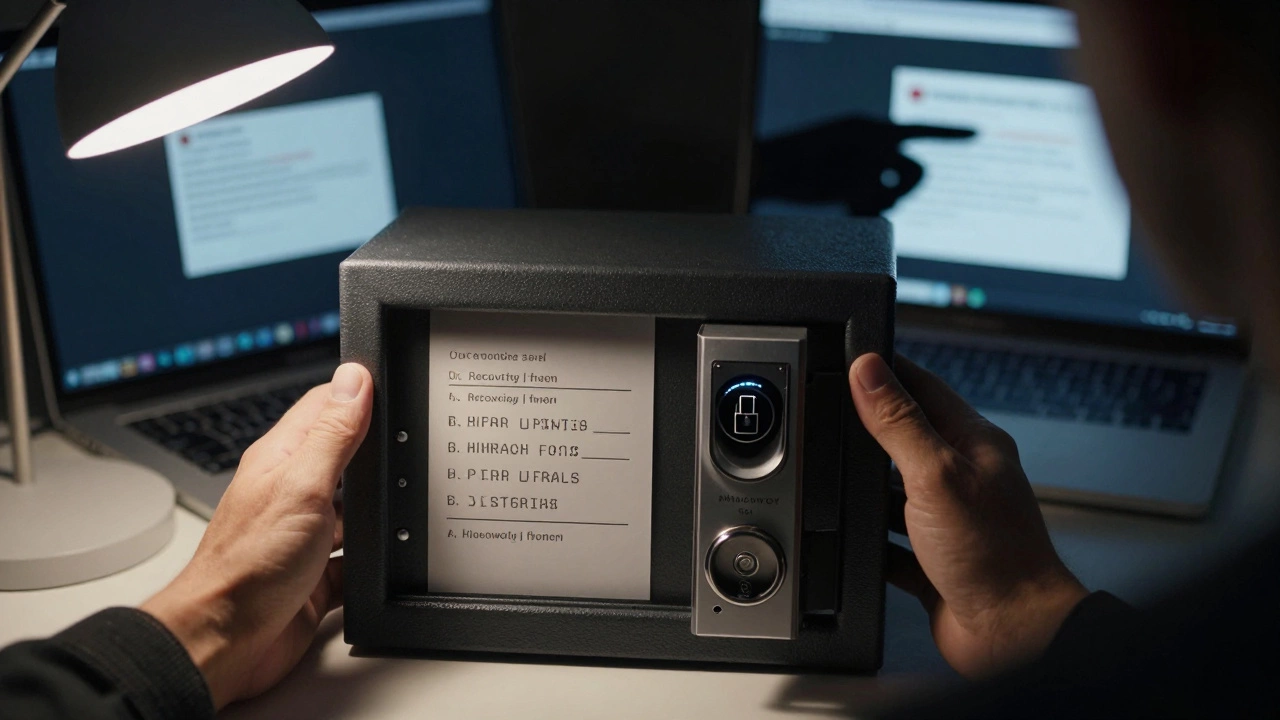
Hardware wallets like Ledger or Trezor are the safest. They keep keys offline. Software wallets (like MetaMask) are convenient but riskier. Never share your recovery phrase. Ever. Not even with "support".
Most people who lose crypto do so because they wrote their phrase on a sticky note, took a photo of it, or sent it in a text. Treat your recovery phrase like the master key to your house. Don’t leave it lying around.
What’s Next for Digital Wallets?
Wallets are getting smarter. In 2025, some are starting to integrate AI to predict spending habits, flag unusual transactions, and even suggest budgeting tips. Others are rolling out biometric payments without phones-like paying with your fingerprint at a vending machine.
Central bank digital currencies (CBDCs) are also coming. The Bank of England is testing a digital pound that could be stored directly in your wallet, bypassing banks entirely. That could change how we think about money.
One thing’s clear: cash is fading. In the UK, only 14% of payments were made in cash in 2024, down from 40% in 2015. Wallets aren’t going anywhere.
And yes, some people use digital payment platforms for services like euro girl escort london, but that’s a small fraction of usage. Most wallets are used for groceries, bills, transit, and online shopping.
For those looking for more niche services, you might come across listings for euro escort girls london through third-party apps. But again, that’s not what digital wallets were designed for. Stick to mainstream uses for safety and reliability.
